
Quick version of what is cava and where to drink it in Barcelona: it's Spain's bottle-fermented sparkling wine, and you'll find it poured at old standing bars like El Xampanyet in town, or at a cellar in Sant Sadurní d'Anoia. Worth saying up front that we're independent, we earn a commission on a few partner links, and no tour company owns us. Every cost here was checked on 26 November 2026.
What is cava?
Cava is a Spanish sparkling wine made by a second fermentation in the bottle, the same traditional method as Champagne. Once bottled, it sits for a minimum of nine months before anyone can sell it.
Three grapes do most of the work: Xarel-lo, Macabeo and Parellada. It's a huge business, too. The regulator's page mentions 240 million bottles of Cava per year, but there's no date on it, so read that as a rough scale and nothing more.
“Carbon dioxide produced by this second fermentation is trapped in the bottle, forming bubbles.”
Which tour should you book?

Barcelona: Tapas Walking Tour with Food, Wine and History
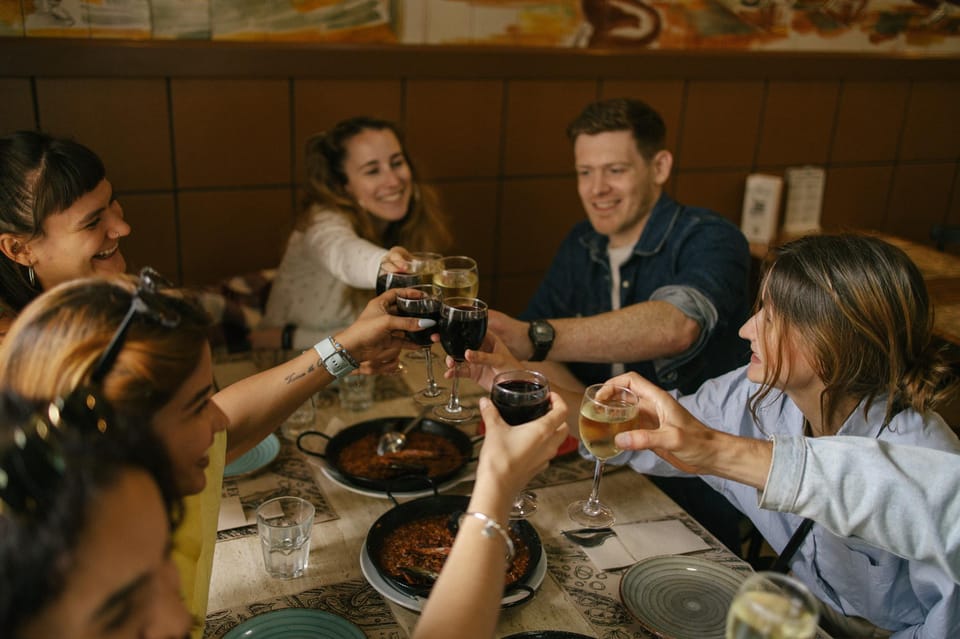
Barcelona: Food Walking Tour with Tapas and Wine
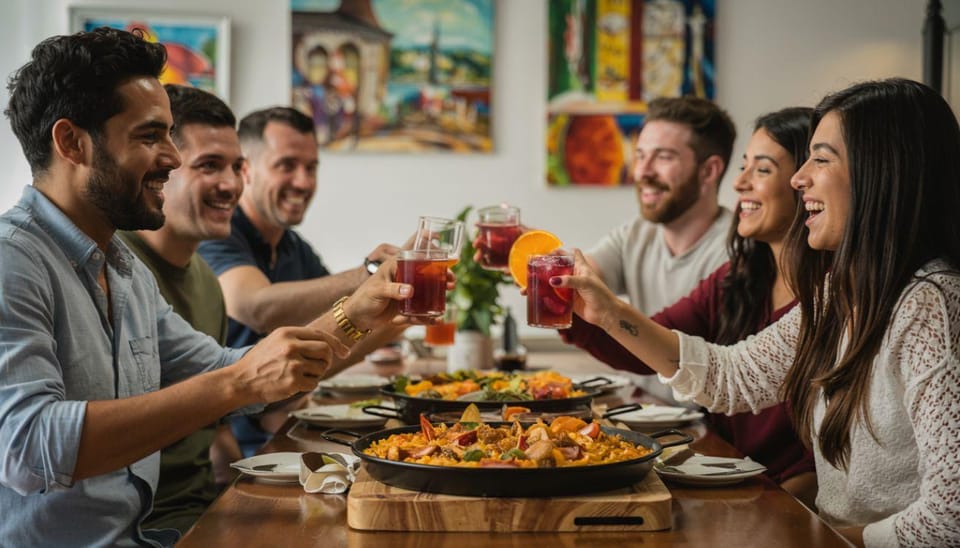
Paella Cooking Class with Market Visit, Tapas and Sangria

Barcelona Tapas and Wine Experience Small-Group Walking Tour
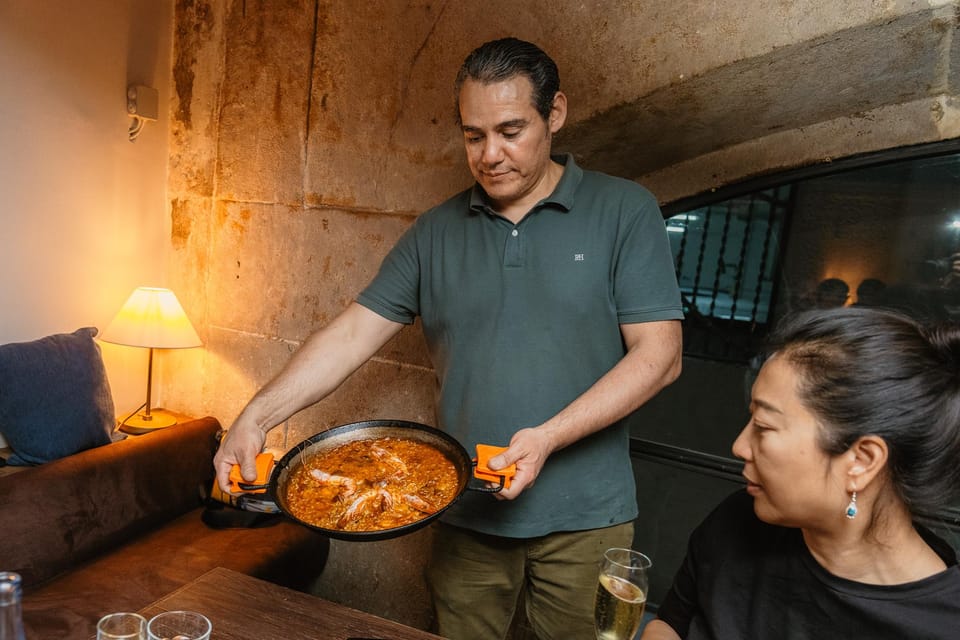
Barcelona: El Born Food Walking Tour with Tapas and Drinks
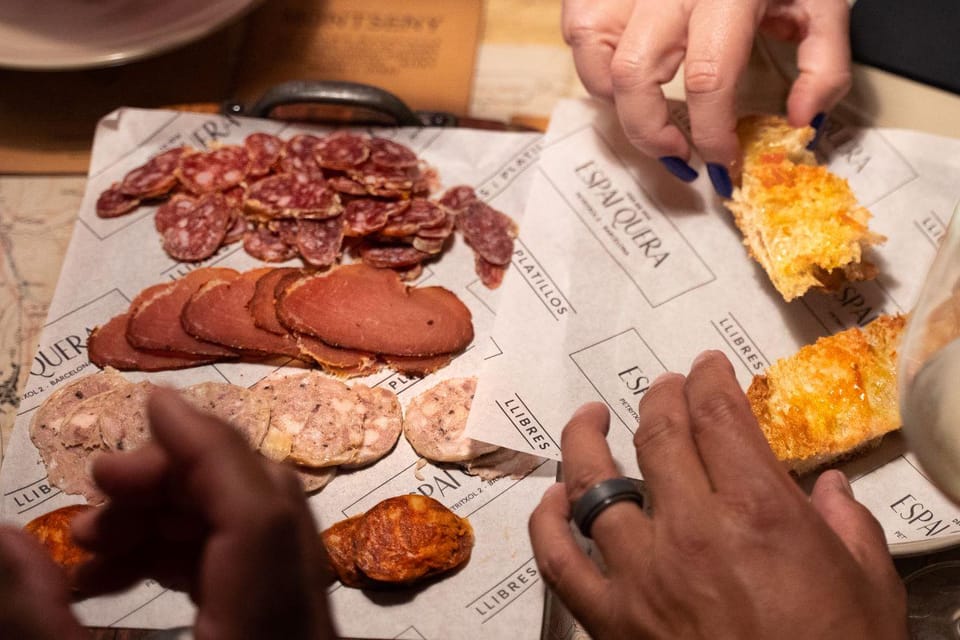
Barcelona Tapas Night: Authentic Bars, Cava & Vermut
Partner links to an authorised reseller; we may earn a commission. Prices per person as listed on 26 November 2026.
How is cava different from champagne and prosecco?
Cava and Champagne both get their fizz inside the bottle, while Prosecco gets it in a tank. Cava also comes from a warm Mediterranean hillside instead of Champagne's cold north, and the grapes don't match either.
According to the regulator, Prosecco is made in large fermentation tanks using the charmat method. Bear in mind the page belongs to the cava body itself and dates from 2021, so it leans a little proud on price. Pouring a glass at a bar, honestly, what you'll actually taste is the grapes and the bottle method.
What do Brut Nature, Brut and Seco mean on a cava label?
A label tells you how much sugar is in the bottle, not how good it is. Brut Nature is the driest of the lot, and "Seco" means dry in Spanish yet lands well on the sweet side.
The sugar bands as the regulator listed them in 2021 sit below, next to Champagne's nearest label:
| Cava label | Sugar (g/L) | Closest Champagne label |
|---|---|---|
| Brut Nature | 0-3 | none listed |
| Extra Brut | 0-6 | Extra Brut |
| Brut | up to 12 | Brut |
| Extra Seco | 12-17 | Extra Dry |
| Seco | 17-32 | Sec |
| Semi Seco | 32-50 | Demi-sec |
| Dulce | more than 50 | Doux |
Not sure what to pick? Ask for Brut. And don't expect Seco to be crisp, because it isn't.
Our top pick: Barcelona: Tapas Walking Tour with Food, Wine and History★ 4.77 · 5,680 reviews · from €52.80 per person.
Check availability →Where can you drink cava in Barcelona?
The classic is a standing bodega, and El Xampanyet at Carrer Montcada 22 is the one we can actually source. Frommer's lists a glass of house cava at 2.50€ in old-style coupes, but the listing carries no date, so today's price may well differ.
That listing also gives Carrer Montcada, 22 plus hours: Sun and Mon 7-11pm, Tue to Fri noon-3:30pm and 7-11pm, Sat noon-3:30pm. Meaning it's closed Saturday evening, if that's still right. Be ready to wait in line, it adds.
Cava pairs with food anyway. For what to eat alongside, try our best tapas in Barcelona and Gothic Quarter tapas bars pages, and check what time dinner starts if you plan to be in a queue at 7pm.
Is it worth visiting the cava cellars at Sant Sadurní d'Anoia?
Yes, once, if the idea of cava appeals to you more than a crowded bar does. Around Sant Sadurní d'Anoia is the heartland, and ICEX puts that area at 85% of all Cava, though the page is undated.
Freixenet's own page sells a bundle: a train from any Barcelona Cercanías station, arriving right in front of the cellars, followed by a 90-minute tour with two cavas. It cost 20,00€ when we wrote this, runs daily, and needs a reservation.
Picture a Friday with the booking already made. Train out after lunch, step off at the cellar door, tour done and both glasses finished, then back in the city in time for El Xampanyet reopening at 7pm. A full day, and the cellar is the cheap part of it. Weighing up the wider wine country? Read cava or Penedès wine tour from Barcelona.
Is a tapas tour a good way to drink cava?
Yes, when you want your first cava served with food and a guide, since nobody has to guess which queue to join. We'd choose an evening slot: a 3.5-hour tapas walk that includes cava or vermouth was €71.20 when we checked, via an authorised reseller, and it covers four drinks.
Going solo instead? Is a Barcelona food tour better than DIY tapas lays out the trade-off. Our full list of options starts on our home page.
Book ahead: tours from €52.80Small groups sell out at weekends; most partner tours cancel free up to 24 h before.
Check availability →Frequently asked questions
Is cava the same as champagne?
No, even though both come from a second fermentation in the bottle. The grapes and the region are what separate them.
Is cava sweet or dry?
That depends on the label, running from Brut Nature at 0-3 g/L to Dulce at more than 50 g/L. Brut, at up to 12 g/L, is the safe middle.
Can you visit a cava cellar without a tour company?
Yes, since Freixenet sells its own visit with the train from Barcelona built in. It's daily by reservation, so book first.
Is Can Paixano worth it?
We haven't verified its hours or prices from an official page, so we won't promise either. Check current details before heading over, and expect a crowd.